
More than a Certificate: What we really study in a Yoga Teacher Training
When most people hear Yoga Teacher Training, they imagine learning how to teach yoga. And yes, that's part of it. But what surprises many students is how much they learn about themselves along the way.
Whether you dream of teaching someday or simply want to deepen your understanding of yoga, a Teacher Training offers a rich and transformative experience. Here's a glimpse of what we'll explore together - and some of the unexpected lessons that often emerge along the way.
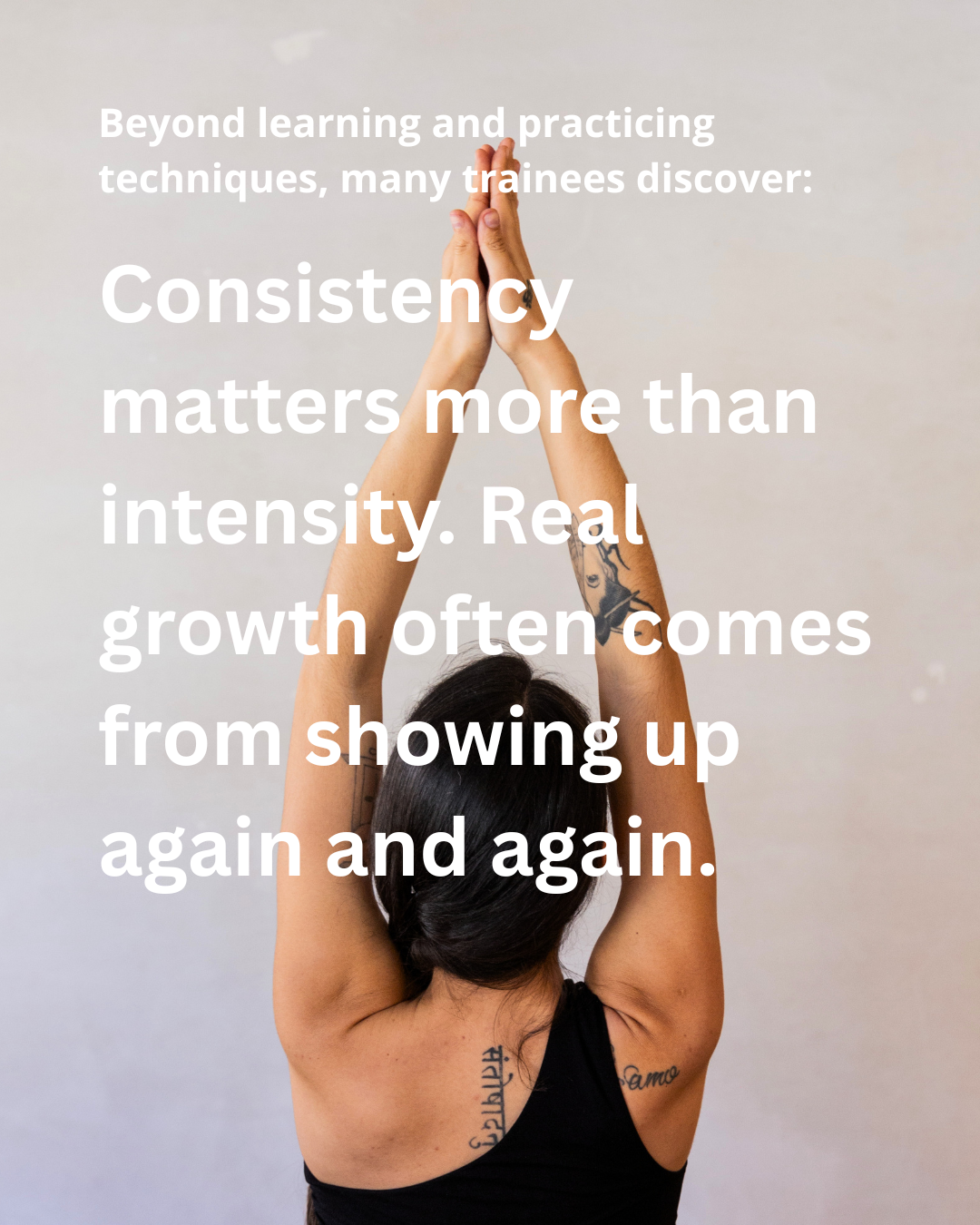
1. Techniques, Training & Practice
This is where we enter the living, experiential heart of yoga.
Rather than learning yoga only as theory or philosophy, we begin to understand it through direct experience: through the body, the breath, the nervous system, the mind and the quality of our attention. These practices become tools for cultivating awareness, vitality and presence - both on and off the mat.
Together we will explore not only how to practice, but also how and why these practices have been used for centuries as pathways toward greater well-being.
We’ll explore:
• Asana (postures)
• Pranayama (breathwork)
• Meditation
• Mantra and other yogic practices
But beyond learning techniques, many students discover:
Consistency matters more than intensity. The real growth often comes from showing up again and again, allowing the practice to unfold over time.
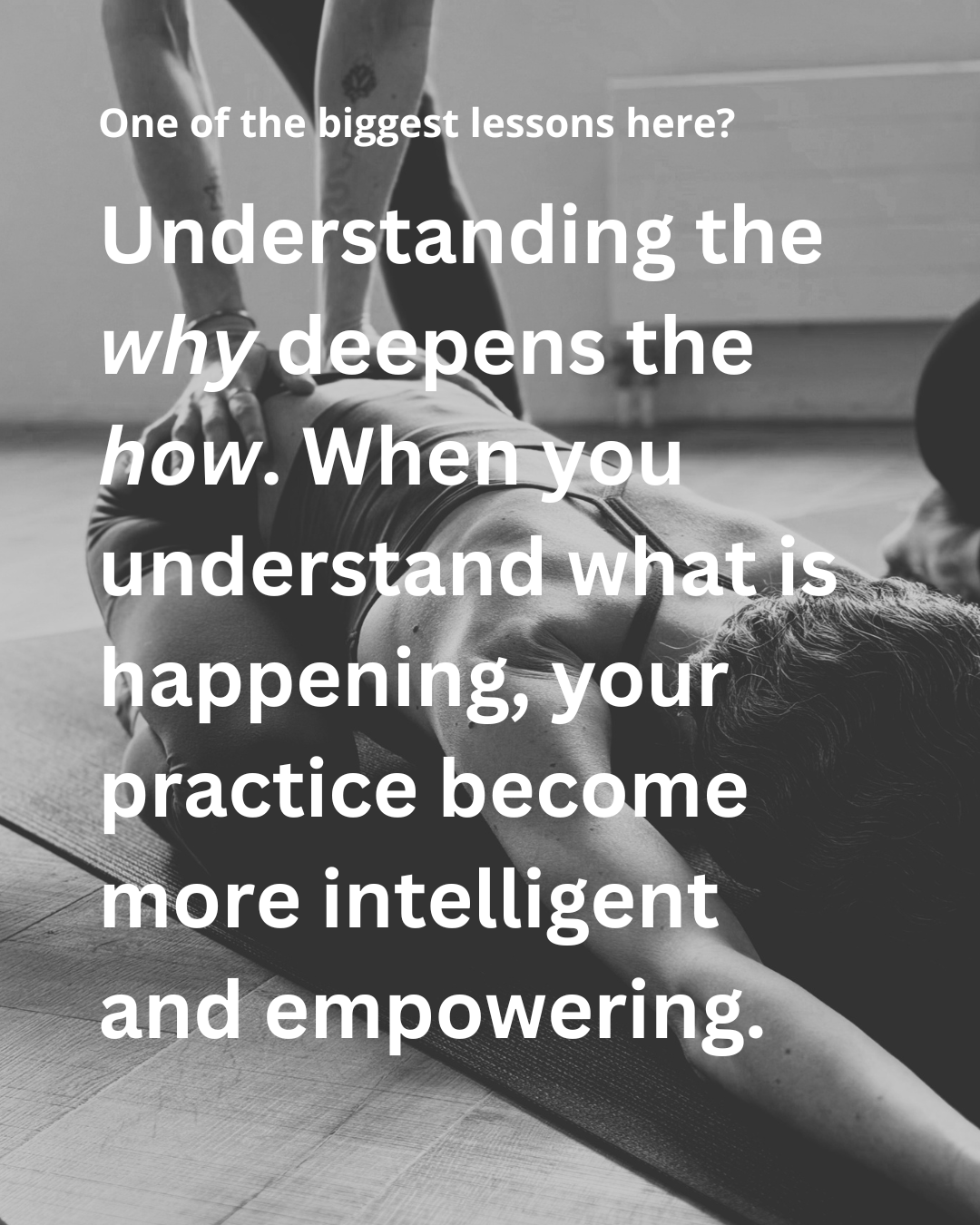
2. Anatomy & Physiology
A deeper understanding of the body allows us to practice (and perhaps teach) with greater intelligence.
In this part of the training, we explore how the body moves, breathes, stabilizes and adapts through yoga practice. Rather than approaching anatomy as something separate from lived experience, we will learn to relate anatomical knowledge directly to movement, breath and the uniqueness of individual bodies.
The intention is not perfection, but developing a more informed and sustainable relationship with practice.
You’ll learn:
• Functional Anatomy of Yoga
• Movement Patterns
• Biomechanics
• Breath & Nervous System
• Safe & Sustainable Practice
One of the biggest lessons here?
Understanding the "why" deepens the “how." When you understand what's happening beneath the surface, your practice becomes more intelligent, effective and empowering.
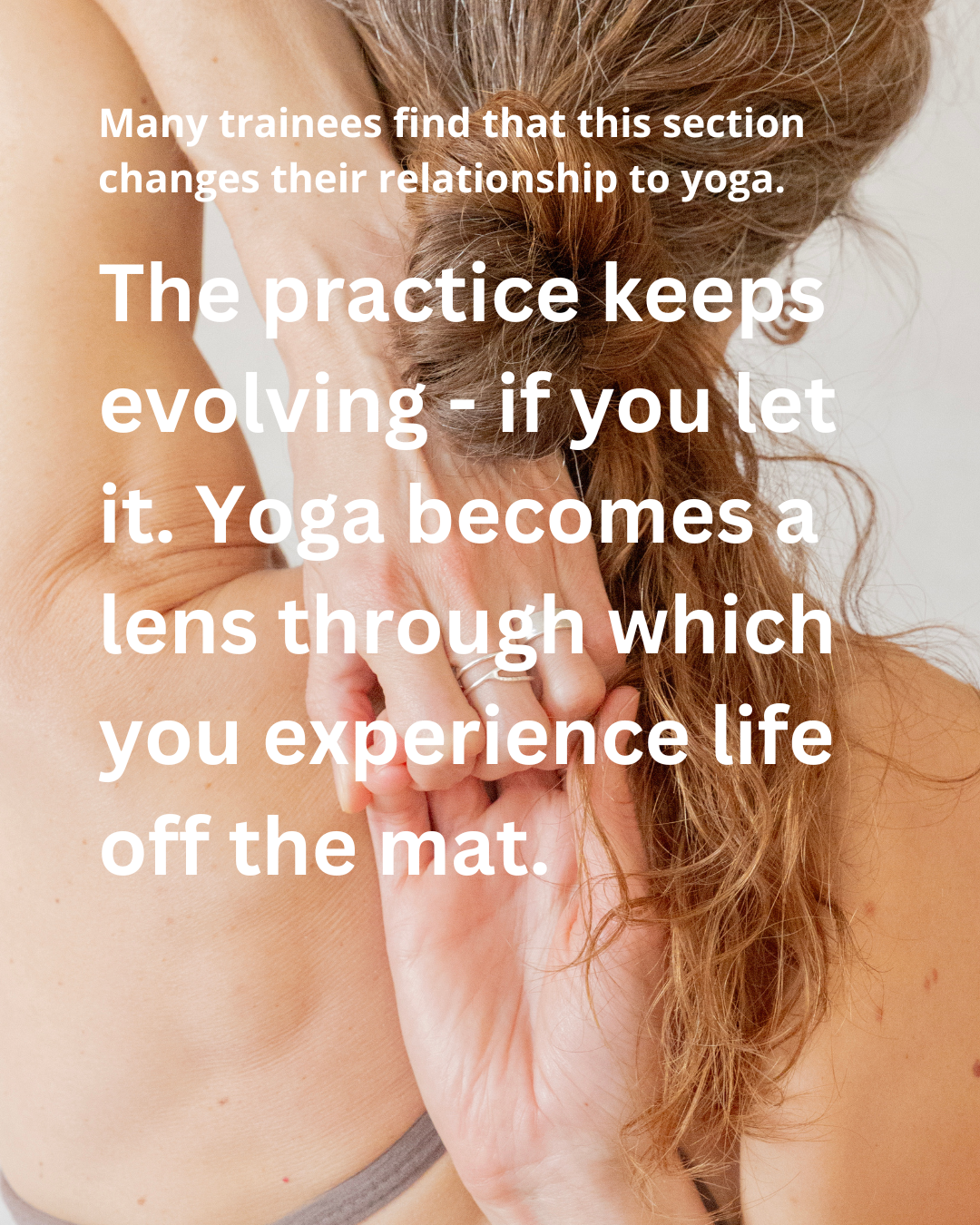
3. Yoga Humanities
Yoga is more than a physical practice - it is part of a rich philosophical, spiritual and cultural tradition that has evolved over thousands of years.
In this part of the training, we explore the roots of yoga and the ideas that continue to shape modern practice today. Through stories, texts, discussion and self-reflection, we’ll examine how yogic teachings approach questions of suffering, awareness, ethics, purpose and the human experience itself.
The intention is not simply to study philosophy intellectually, but to discover how these teachings can become meaningful and relevant within contemporary life.
We’ll study:
• The History & Evolution of Yoga
• Key Philosophical Concepts
• Foundational Texts & Teachings
• Modern Yogic Living & Ethics
Many students find that this section changes their relationship to yoga entirely.
The practice keeps evolving - if you let it. Yoga becomes more than something you do on a mat. It becomes a lens through which you experience life.
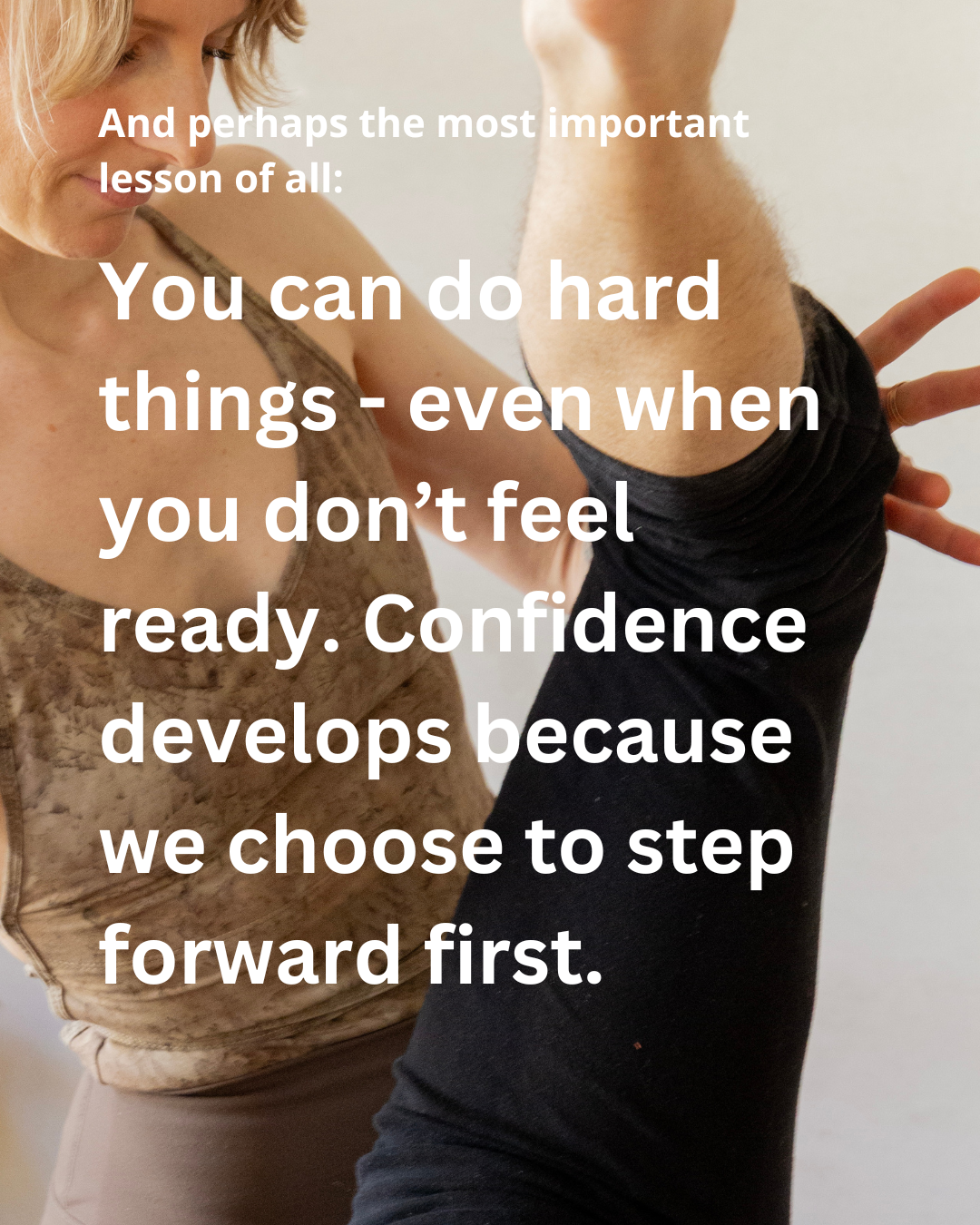
4. Professional Essentials
Yoga practice does not only shape how we move - it also influences how we show up in the world.
This part of the training focuses on the interpersonal and practical skills that support both teaching and everyday life. Whether guiding a class, supporting a friend, leading a group or simply becoming more aware of your own patterns and presence, these tools help cultivate confidence, clarity, empathy and authentic connection.
Even for those who do not plan to teach, this section often becomes deeply valuable far beyond the yoga room.
We’ll explore:
• Communication
• Leadership
• Holding Space for Others
• Class Planning & Sequencing
• Observation & Self-reflection
And perhaps the most important lesson of all:
You can do hard things - even when you don't feel ready. Growth rarely arrives once we feel fully prepared. More often, confidence develops because we choose to step forward first.
And that leads to one final truth many YOGA TEACHER TRAINING graduates share:
You don't have to know where it's leading for it to be worthwhile.
Some students leave excited to teach. Others simply leave with a deeper understanding of themselves, their practice and what matters most.
Either path is valuable.
If you've been curious about Teacher Training but unsure whether it's for you, perhaps the better question is: What might you discover if you gave yourself the opportunity to learn?